







From tracking beach litter to studying turtles and marine ecosystems, drone conservation specialist Dr Melissa Duncan-Schiele is helping position Oman at the forefront of environmental innovation through cutting-edge UAV research and community-driven science initiatives
On Oman’s sweeping coastline, a new kind of conservation is taking flight. Led by Dr Melissa Duncan-Schiele, Project Earthlings and partners are blending cutting-edge UAV (unoccupied aerial vehicle, or drone) technology at the research level with grassroots education, positioning the Sultanate of Oman as an emerging hub for innovation in environmental science.
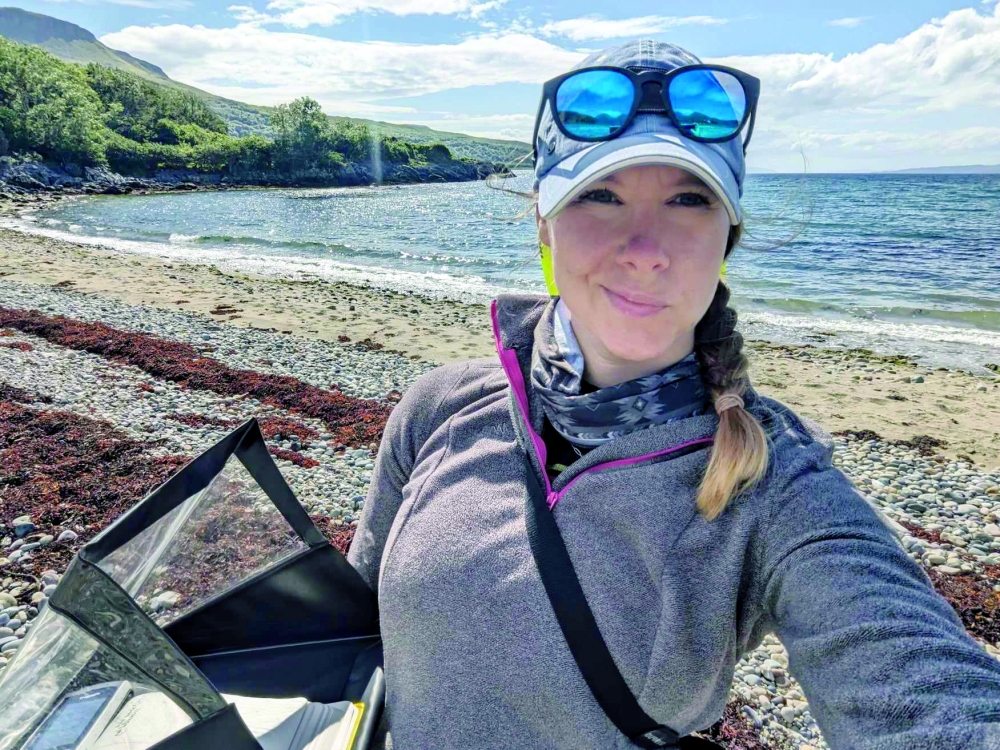
“I am establishing drone conservation technology and routine operations in Oman, where an appetite for innovative programmes creates strong potential”, said Dr Melissa, a PhD-qualified conservationist and UAV specialist whose work bridges engineering and marine ecology.
From her research at Imperial College London, Loughborough University and the Zoological Society of London, she has spent years refining the use of UAVs to detect illegal fishing and marine plastics as well as sharks around islands, specialising in marine protected areas. In Oman, that expertise is now being translated into real-world impact. “UAVs can be used to quickly and efficiently gather remote sensing data, acting as a powerful augmentation to traditional survey methods”, she noted.
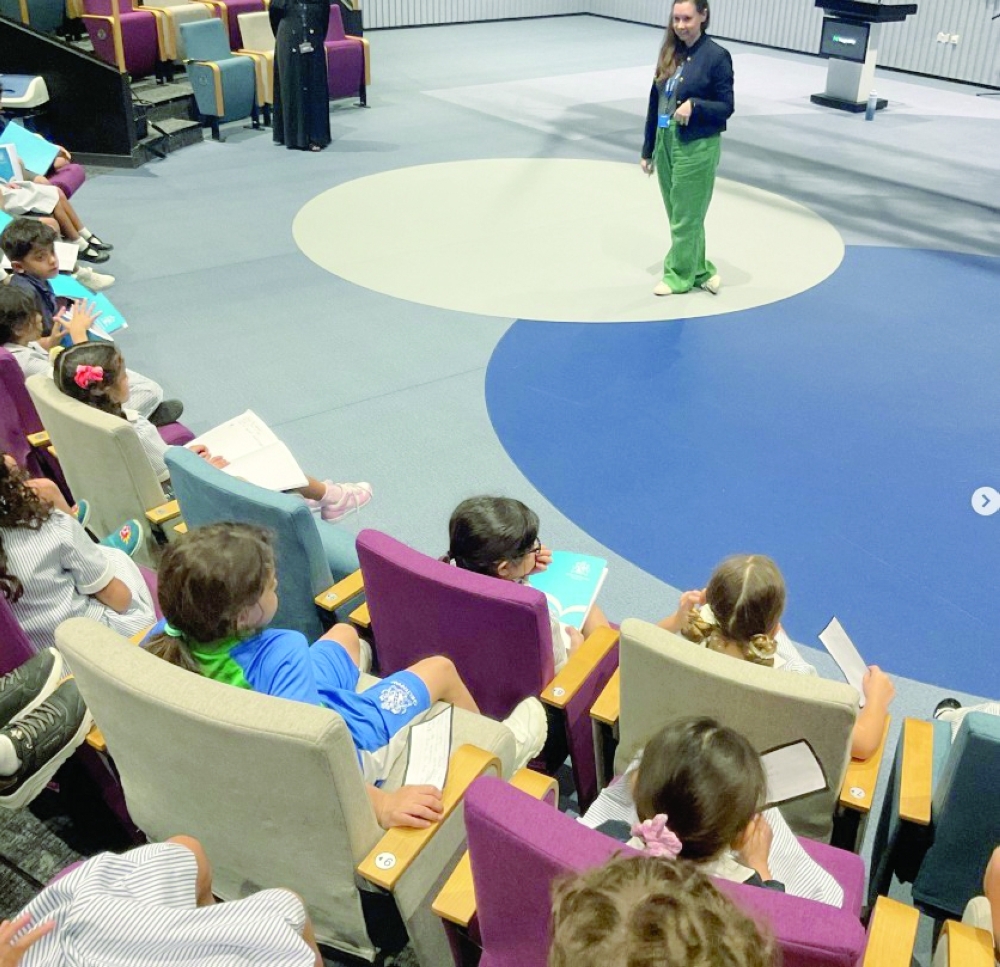
A landmark step in that journey has been the establishment of the first conservation drone fleet at Sultan Qaboos University (SQU). “We purchased the first conservation fleet of state-of-the-art UAVs for natural science applications”, she said, adding that local researchers and students are now trained to commercial pilot standards, with projects researching turtle behaviour and terrestrial birds, ready to begin.
The applications are already reshaping how Oman studies its fragile ecosystems. “For the first time, we are using UAVs to quantify litter on beaches in Oman”, she explained. “The results will help us understand where and what items people are littering on beaches and open the door to the question of why”, she added.
The team work closely with Oman’s Civil Aviation Authority to ensure compliance and as pioneers building the first such team in-country, they have persevered through administrative challenges. Flights are currently suspended, but research will resume once restrictions are lifted.
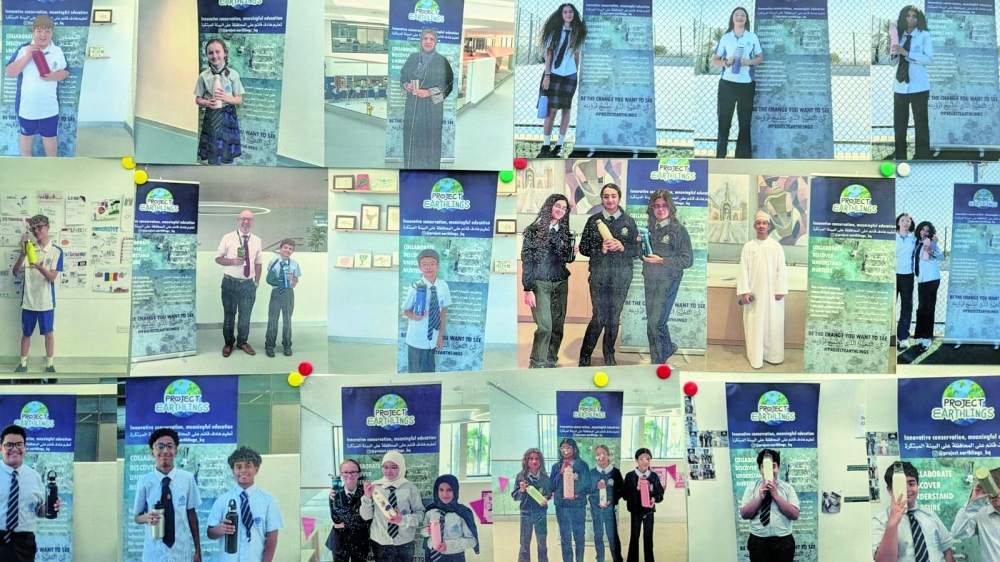
Project Earthlings, the GCC-wide conservation entity led by Dr Melissa, has gained traction through community campaigns like #IHaveMyOwnBottleThanks, promoting simple, school-led reusable habits focusing on water bottles.
Its educational impact is also notable.
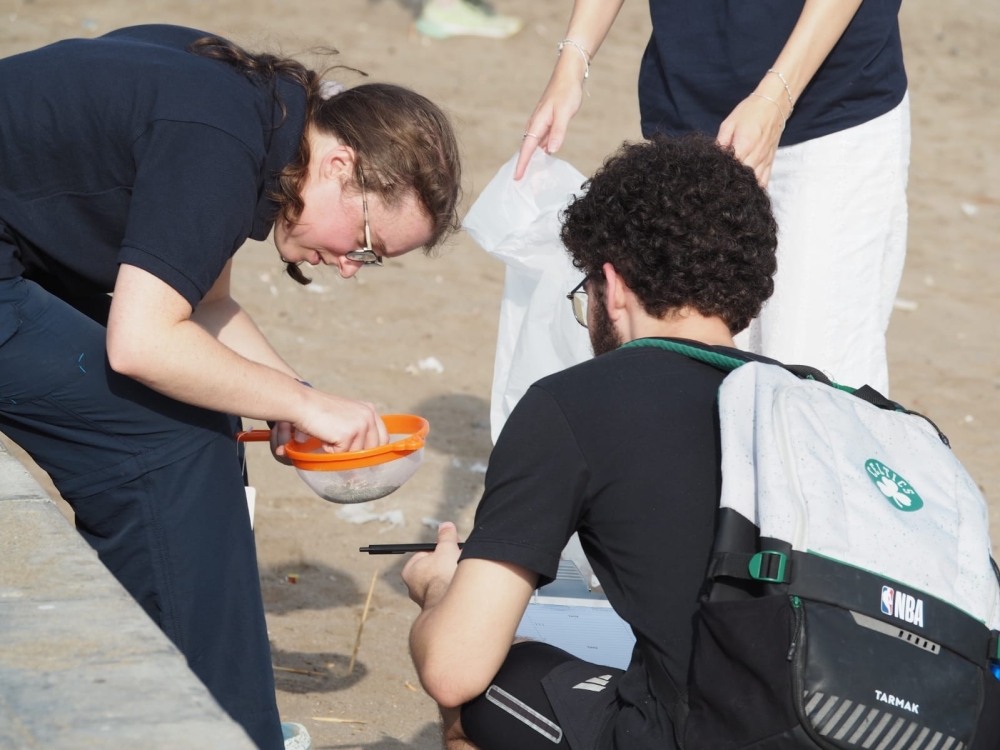
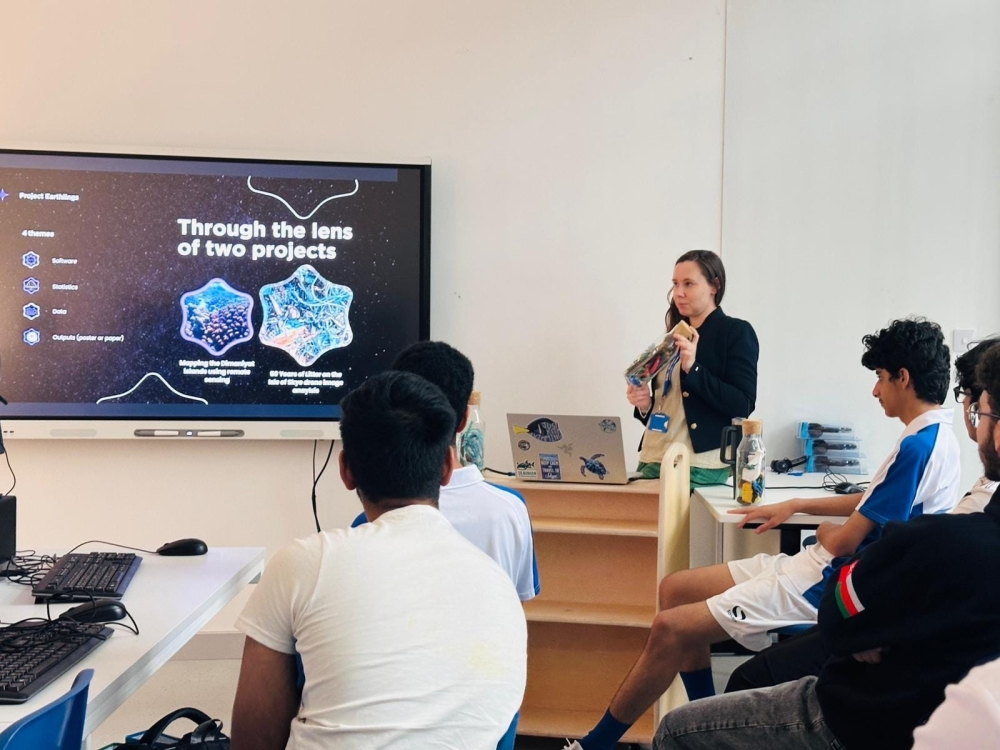
At Cheltenham Muscat School, A-level students engage in real-world research with international partners, which is an opportunity usually, reserved for university-level. Students are not just learning; they are contributing.
Highlighting one example, she said: “Issam Dernaika has not only excelled within the programme but wants to partner with our researchers and help support in analysis and writing of our paper on Omani beach litter”.
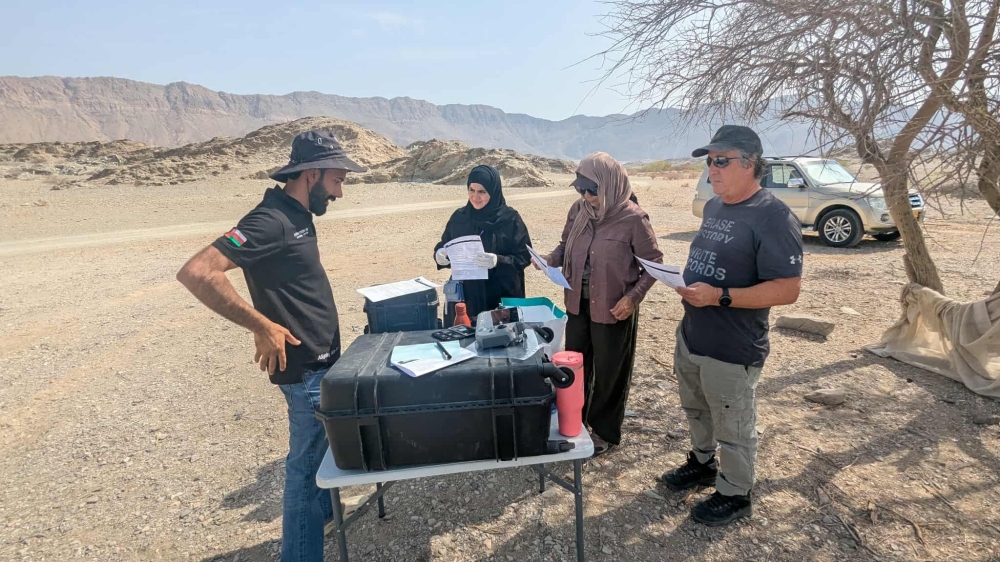
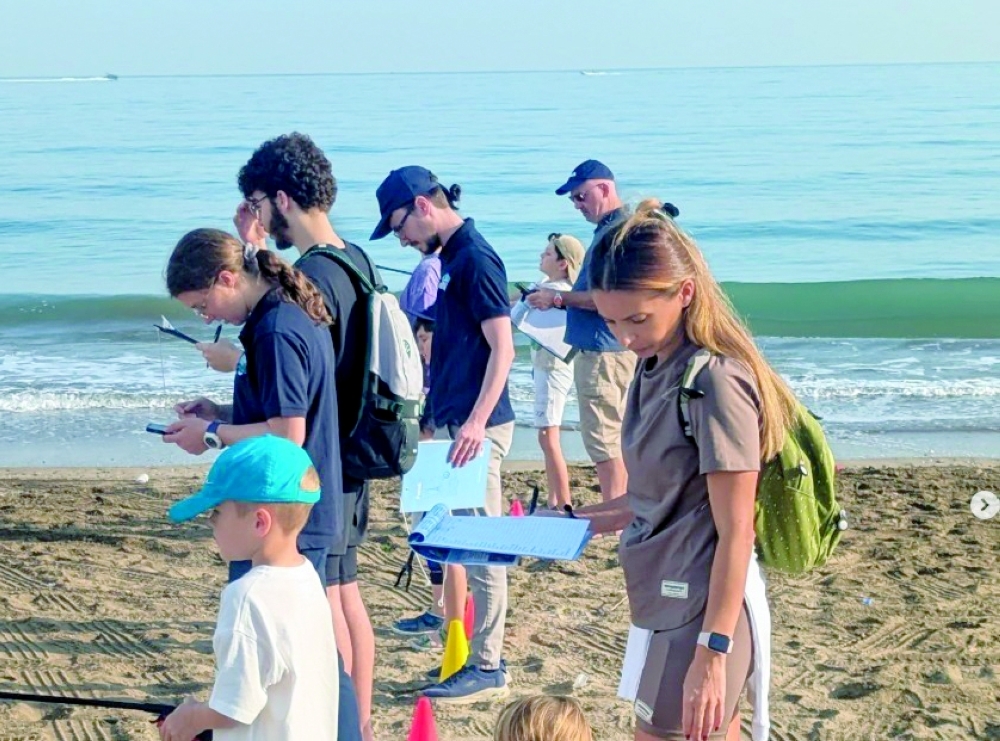
Looking ahead, Project Earthlings is preparing to launch the Beachlings Survey, described as Oman’s first child-led beach monitoring initiative, to augment drone survey data. “Children and families will be able to follow our citizen science instructions and send results to our research hub”, she explained, adding that early trials have already begun along Muscat’s shoreline.
For Dr Melissa, the mission ultimately extends beyond data and technology. “People protect what they truly care about”, she reflected. “Our goal is to inspire people to discover the natural treasures of Oman, form a genuine connection with them and ultimately protect them”.
In a country where desert, sea and sky converge, that connection may prove to be the most powerful tool of all.
Oman Observer is now on the WhatsApp channel. Click here


